Why Integrated End-to-End Marketing is No Longer Optional (and How AI Helps)
Discover why integrated end-to-end marketing is crucial for modern businesses, eliminating fragmented efforts, boosting ROI, and how AI, like GrowthZ.ai, empowers human marketers.
Jyoti
May 14, 2026
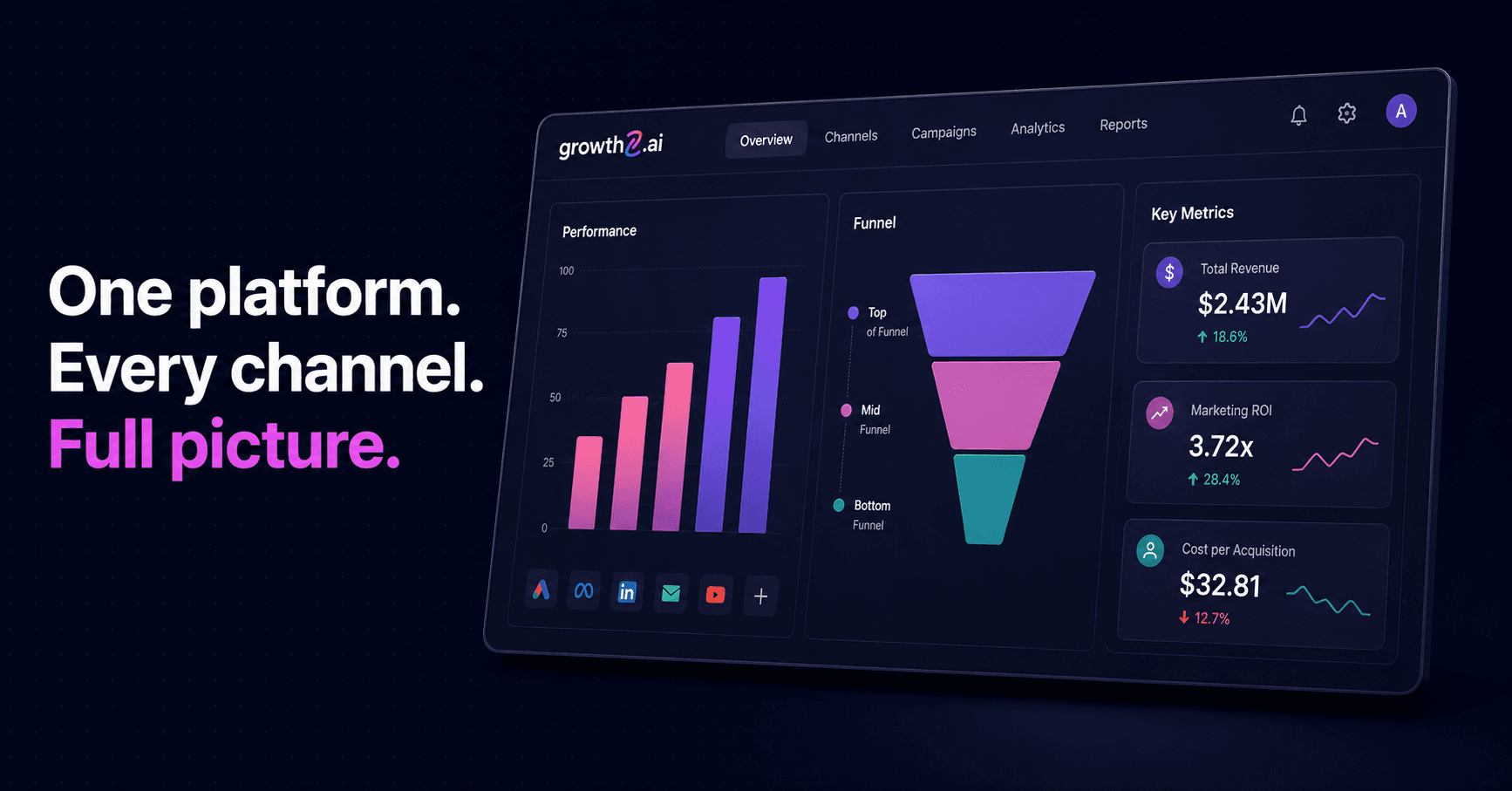
Many marketers cling to the belief that a diverse 'martech stack' brimming with specialized tools for every conceivable function signals a sophisticated, cutting-edge operation. There's also a common assumption that AI is either too complex, prohibitively expensive, or risks diminishing the invaluable 'human touch' in marketing. The truth, however, paints a starkly different picture. This sprawling collection of disconnected tools often creates more problems than it solves, leading to a 'martech maze' that actively hinders a full, cohesive view of marketing efforts and wastes significant budget. As one marketer candidly expressed, "I feel like I'm constantly lost in a maze of spreadsheets and different tools, trying to get a full picture of our marketing." This isn't an isolated incident; the average organization grapples with approximately 75 different martech tools (Chiefmartec), yet Gartner found that a staggering 24% of marketing budgets are wasted due to poor process and execution (Gartner). The fear of AI's cost or impersonality often blinds businesses to the real, substantial cost of not leveraging it for seamless integration and human augmentation. It's time to challenge conventional wisdom and embrace integrated end-to-end marketing as the necessary antidote to this fragmentation, setting the stage for how AI, specifically GrowthZ.ai, plays a pivotal role in achieving true integration and empowering human marketers.
Quick Answers
- Q: What is integrated end-to-end marketing?
- A: Integrated end-to-end marketing unifies all marketing activities, data, and tools across the entire customer journey, from initial awareness to post-purchase engagement, ensuring consistent messaging and streamlined operations.
- Q: How does a fragmented martech stack impact marketing ROI?
- A: A fragmented martech stack creates data silos, hinders sales and marketing alignment, leads to inconsistent branding, and makes accurate ROI tracking nearly impossible, resulting in wasted budgets and unclear performance.
- Q: Can AI truly help human marketers, or will it replace them?
- A: AI in marketing acts as a powerful human augmentation tool, automating repetitive tasks, providing predictive insights, and enabling hyper-personalization, thereby freeing human marketers to focus on high-level strategy, creativity, and empathetic customer engagement.
- Q: What are the main benefits of achieving sales and marketing alignment?
- A: Strong sales and marketing alignment leads to significant revenue growth, improved customer retention, better lead conversion, and a more cohesive customer experience across the entire buyer's journey.
- Q: How can a platform like GrowthZ.ai address these marketing challenges?
- A: GrowthZ.ai unifies fragmented martech stacks and data, fosters seamless collaboration between teams, and leverages AI for faster execution, hyper-personalization, and clear ROI tracking, providing a comprehensive solution for end-to-end marketing.
Why Fragmented Marketing is Costing You More Than You Think
For many marketing directors and CMOs, the reality of disconnected efforts hits hard. It’s not just an inconvenience; it’s a significant drain on resources, morale, and ultimately, the bottom line. The struggle is real, as encapsulated by a marketer who shared, "It's just so frustrating when sales and marketing blame each other because their goals aren't even aligned." This fragmented marketing approach leads to marketing silos, where teams operate in isolation, duplicating efforts and missing critical opportunities. The tangible costs are alarming: misalignment between sales and marketing can cost organizations 10% or more of annual revenue (Prospeo). With the average organization using about 75 different martech tools (Chiefmartec), it’s no wonder another professional confessed, "I feel like I'm constantly lost in a maze of spreadsheets and different tools, trying to get a full picture of our marketing." This complexity breeds inconsistency, as "Our brand messaging gets completely messed up across channels; one day it's one thing, the next it's totally different, and it confuses customers." Such inconsistent experiences frustrate two-thirds of B2B customers (Salesforce), despite consistent branding across all channels being able to increase revenue by up to 23% (Source). The result? A significant wasted marketing budget, with Gartner finding that 24% of marketing budgets are wasted due to poor process and execution (Gartner), and marketers estimating they waste 21% to 26% of their budget overall (Source). This waste is compounded by a lack of clarity, as only 22% of businesses track ROI correctly for their campaigns (Source), leading to the painful admission, "I don't even know if our marketing is actually working. We have no clear way to track what's making us money versus what's just burning through the budget." The inability to gain a holistic view creates an unclear ROI, making strategic decision-making a shot in the dark. The hidden costs of fragmented marketing are profound, impacting efficiency, brand perception, and ultimately, profitability.
| Common Pain Point (Reddit Quote) | Real-World Impact (Validated Stat) | Emotional Trigger |
|---|---|---|
| "It's just so frustrating when sales and marketing blame each other because their goals aren't even aligned." | Misalignment between sales and marketing can cost organizations 10% or more of annual revenue. (Source: Prospeo) | Exasperation, Frustration |
| "I feel like I'm constantly lost in a maze of spreadsheets and different tools, trying to get a full picture of our marketing." | The average organization uses about 75 different martech tools. (Source: Chiefmartec) | Overwhelmed, Frustration |
| "Our brand messaging gets completely messed up across channels; one day it's one thing, the next it's totally different, and it confuses customers." | Inconsistent experiences leave two-thirds of B2B customers extremely frustrated. (Source: Salesforce) | Worry, Confusion |
Why can't our marketing and sales teams just get on the same page already?
The perennial struggle between sales and marketing teams is a classic symptom of a fragmented approach. "It's just so frustrating when sales and marketing blame each other because their goals aren't even aligned," perfectly captures the sentiment. This lack of marketing and sales alignment isn't just a cultural issue; it's a fundamental breakdown that directly impacts business growth. Companies with strong alignment report 20% growth rates in their revenues, while poorly aligned companies see a 4% revenue decline (Source). Unfortunately, only 8-11% of companies show strong sales and marketing alignment (Source). Without shared objectives, transparent data, and clear handoffs, friction is inevitable, leading to missed opportunities and a constant blame game that drains productivity and obscures accountability. Effective collaboration within marketing function and with sales is not merely a 'nice-to-have' but a critical driver of success.
Lost in the MarTech Maze: The Cost of Disconnected Tools
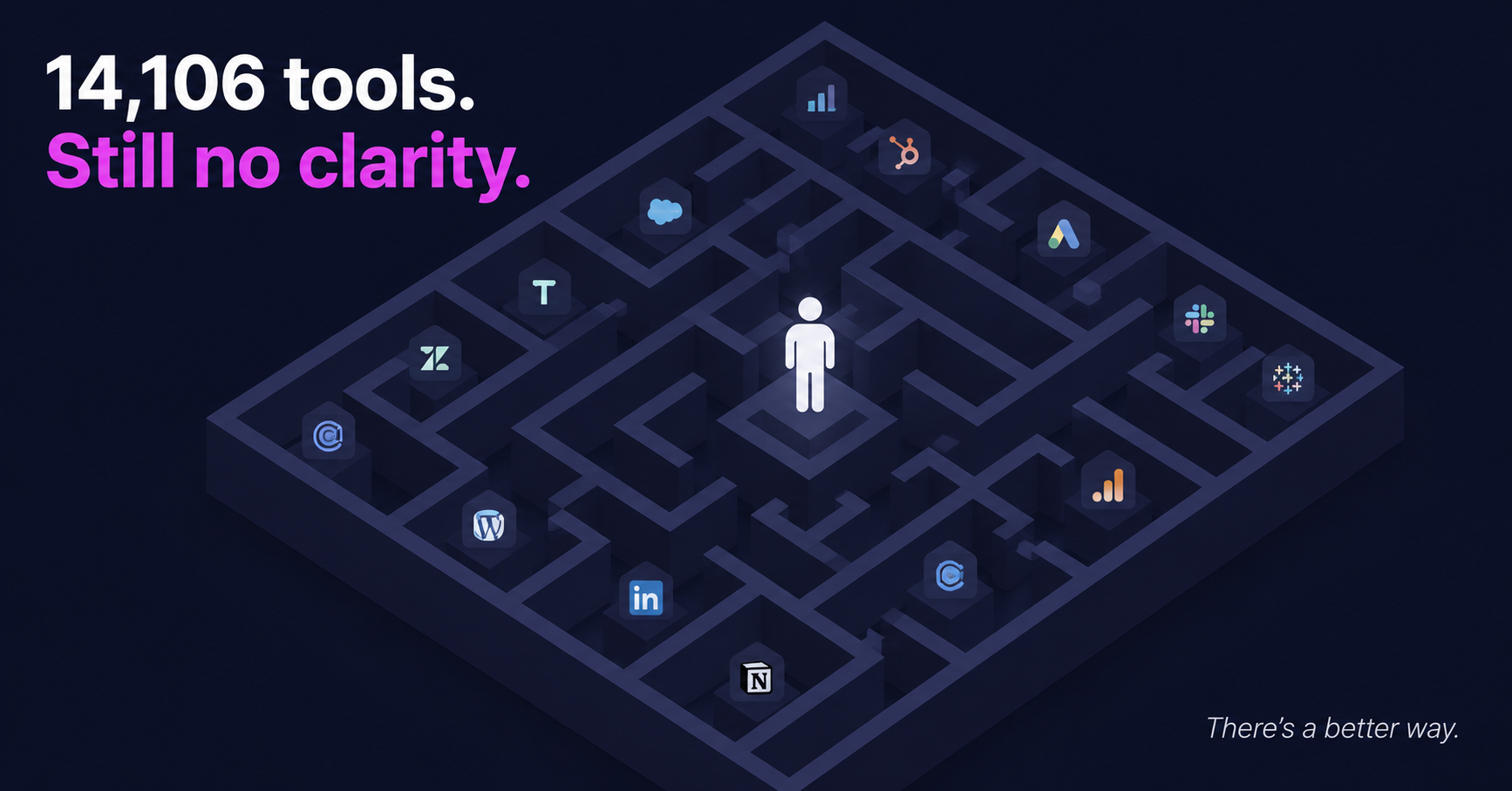
The proliferation of marketing technology, often celebrated as progress, has ironically become a major hurdle for many organizations. As of 2024, there are 14,106 unique martech solutions available, a 27.8% increase over the previous year (Chiefmartec). This vast landscape contributes to the reality that the average organization uses about 75 different martech tools (Chiefmartec). The result is not a cohesive strategy, but a martech stack that feels more like a maze. "I feel like I'm constantly lost in a maze of spreadsheets and different tools, trying to get a full picture of our marketing," is a common refrain. Each tool, while powerful in its niche, often operates in isolation, creating marketing data silos. This fragmentation makes it nearly impossible to gain a holistic, real-time view of customer interactions or campaign performance, preventing marketers from making data-driven decisions and optimizing their spend effectively.
What are three important aspects to the overall purpose of integrated marketing?
Integrated end-to-end marketing stands in stark contrast to the fragmented approaches plaguing many businesses. It's about unifying every aspect of the customer journey, from initial touchpoint to loyal advocacy, under a cohesive strategy and shared data infrastructure. This holistic approach directly addresses the pain points of silos, inconsistent messaging, and unclear ROI by focusing on three core benefits: consistency, efficiency, and a unified customer journey. When marketing and sales teams are truly aligned, not only do they generate 209% more revenue from marketing efforts (Prospeo), but customer retention also jumps by 36% (Prospeo). An omnichannel strategy that ensures a seamless experience across all platforms is paramount, transforming disparate interactions into a coherent, impactful narrative. This leads to a truly unified customer journey, building trust and driving sustainable growth.
| Aspect | Fragmented Approach (Challenges) | Integrated Approach (Benefits) |
|---|---|---|
| Team Collaboration | Siloed departments, blame game, broken handoffs (53% of companies experience this) (Prospeo) | Aligned goals, transparent communication, shared responsibilities (209% more revenue from marketing efforts) (Prospeo) |
| Data & Tools | Maze of 75+ tools, data silos, no single customer view (Chiefmartec) | Unified platform, holistic insights, clear marketing picture |
| Brand Messaging | Inconsistent messaging, customer confusion, diluted brand trust (Salesforce) | Consistent voice, seamless customer experience, increased brand loyalty (up to 23% revenue increase) (Source) |
Speaking with One Voice: Brand Consistency Across Channels
One of the most critical advantages of an integrated approach is achieving unwavering brand consistency. As one frustrated marketer noted, "Our brand messaging gets completely messed up across channels; one day it's one thing, the next it's totally different, and it confuses customers." This inconsistency erodes trust and diminishes brand recognition. Integrated marketing ensures that every touchpoint, from social media ads to email campaigns and sales conversations, communicates a singular, coherent message. This consistent brand voice across all channels can increase revenue by up to 23% (Source) and dramatically enhances the overall customer experience, building loyalty and reducing confusion for your audience.
Streamlined Operations: Eliminating Wasted Time and Resources
Disconnected marketing efforts are inherently inefficient, leading to wasted time and resources. "We're wasting so much time and money because our marketing efforts are all over the place with conflicting deadlines and priorities," is a common complaint. An integrated system tackles this head-on by reducing redundancies, automating repetitive tasks, and improving workflow across departments. This leads to greater marketing efficiency. When all marketing activities are synchronized and aligned with clear objectives and deadlines, teams can work more effectively, ensuring that every dollar spent and every hour worked contributes meaningfully to overall business goals. This streamlined workflows approach allows marketers to do more with less.
Clear ROI and Measurable Impact
Perhaps the most compelling benefit of an integrated approach is the ability to achieve clear ROI and truly measure impact. The lament, "I don't even know if our marketing is actually working. We have no clear way to track what's making us money versus what's just burning through the budget," highlights a fundamental flaw in fragmented systems. Integrated platforms provide a single source of truth for all marketing data, allowing for accurate attribution modeling across channels. This unified view enables marketers to see precisely which efforts are driving leads, conversions, and revenue. It moves beyond vanity metrics to focus on critical KPIs, providing the insights needed to optimize campaigns and prove marketing's value. Without integration, 61.5% of digital marketing professionals agree that 'investment strategy decisions based on attribution insights generally fail to deliver predicted results' (Source).
How AI in Marketing Can Help Humans for Faster Execution (and More)
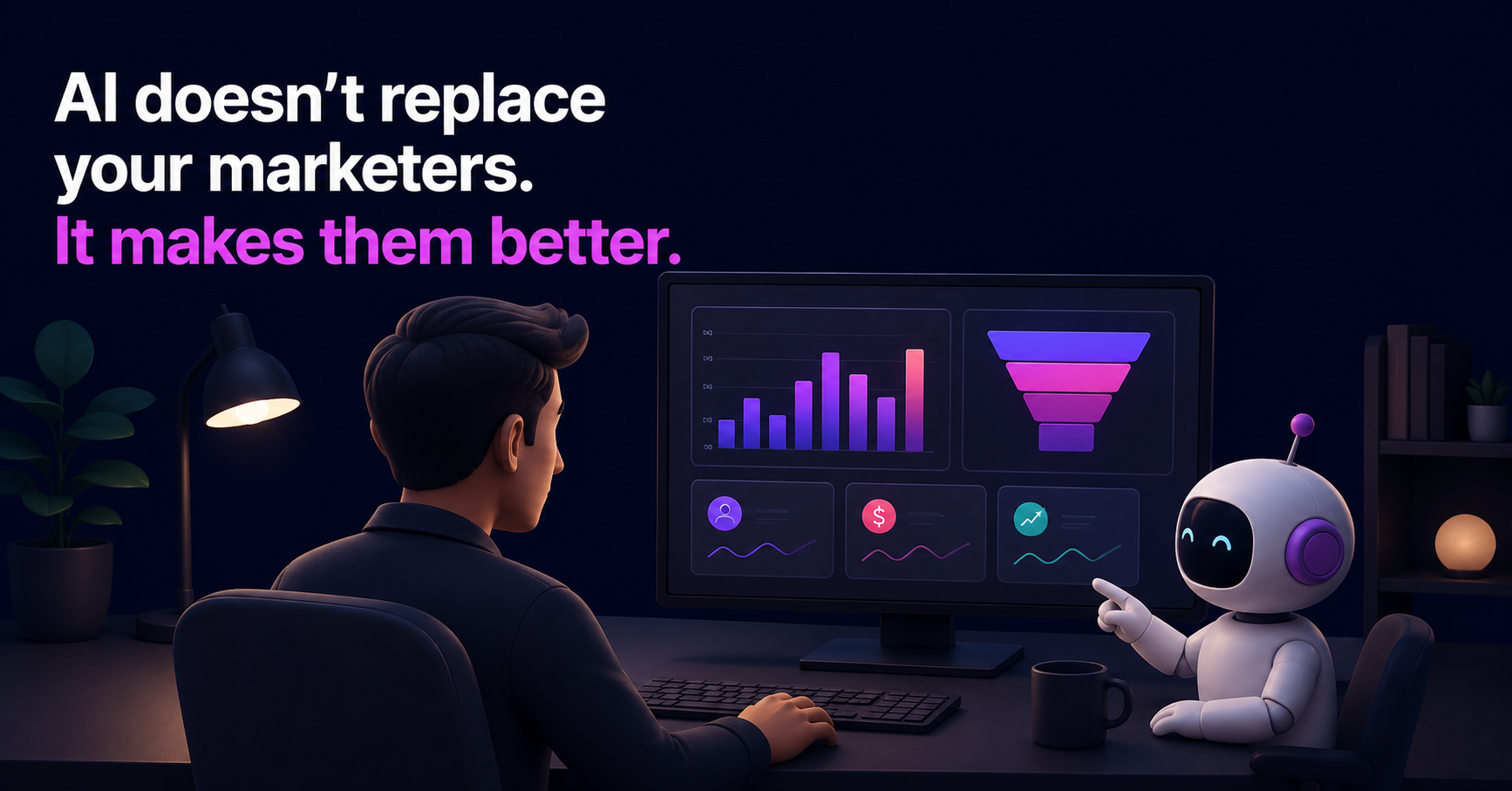
The conversation around AI in marketing often conjures images of job displacement or a cold, impersonal approach. One marketer voiced this concern: "AI sounds cool, but honestly, the cost of implementing it and keeping it updated is a huge barrier, and then there's the fear of losing that human touch." However, the true power of AI in an integrated end-to-end marketing strategy lies not in replacing humans, but in augmenting their capabilities, facilitating faster execution, and providing unparalleled insights. AI's capabilities in predictive analytics, hyper-personalization, content optimization, and real-time campaign adjustments enable faster execution and more precise targeting (Sopro.io). It’s about empowering human marketers to be more strategic, creative, and impactful. AI can analyze vast datasets in seconds, identify trends, predict customer behavior, and even generate personalized content drafts. This human augmentation frees up marketing teams from tedious, data-heavy tasks, allowing them to focus on high-level strategy, empathetic engagement, and the creative storytelling that only humans can truly deliver. The AI marketing benefits extend beyond mere automation; they transform marketing into a more intelligent, responsive, and ultimately, human-centric discipline.
| Fragmented Challenge | GrowthZ.ai Solution (AI-Powered) | Key Benefit |
|---|---|---|
| Siloed Sales & Marketing | AI-driven workflow automation & shared dashboards for cross-functional visibility | Enhanced alignment, reduced friction, 20% revenue growth (Source: Prospeo) |
| MarTech Maze & Data Overload | Unified platform for campaign management, data aggregation, and AI-powered reporting | Single source of truth, clear overview, simplified operations |
| Fear of Losing Human Touch with AI | AI automates repetitive tasks (e.g., data analysis, content drafts), freeing humans for strategy & creativity | Augmented human potential, faster execution, focus on empathy |
Beyond Automation: AI as a Strategic Partner
Many perceive AI primarily as an automation tool, but its role in modern marketing extends far beyond simple task execution. AI excels at handling repetitive, data-heavy tasks like audience segmentation, A/B testing, and performance reporting. By taking over these operational burdens, AI for efficiency frees up human marketers to focus on higher-level strategic thinking, innovative campaign development, and cultivating deeper, more empathetic customer relationships. This isn't about replacing human creativity in marketing; it's about amplifying it. AI provides the data-backed foundation, allowing humans to build compelling narratives and foster authentic connections, enhancing rather than diminishing the essential human element in marketing.
Hyper-Personalization and Predictive Insights at Scale
One of AI's most transformative capabilities is its ability to deliver hyper-personalization at an unprecedented scale. By analyzing vast amounts of customer data—from browsing history to purchase patterns and demographic information—AI can create highly individualized customer experiences. This means delivering the right message, to the right person, at the right time, through their preferred channel. Furthermore, AI-powered predictive analytics can anticipate customer needs, identify potential churn risks, and even suggest the next best action, leading to significantly more effective campaigns, improved conversion rates, and a more delightful customer journey. This level of precision was simply unattainable before the advent of advanced AI.
GrowthZ.ai: Your AI-Powered Solution for Seamless End-to-End Marketing
The challenges of fragmented marketing and the promise of AI converge in solutions like GrowthZ.ai. This platform directly addresses the core pain points faced by marketing leaders today, offering an AI-powered marketing platform designed for true end to end marketing solution. As one professional aptly put it, "I really want one platform that can manage everything from getting new leads to closing deals, seamlessly." GrowthZ.ai is built on this very principle, providing a unified ecosystem where all marketing efforts, from lead generation and nurturing to sales enablement and customer retention, are integrated and optimized by artificial intelligence. It empowers marketing teams to move beyond the 'martech maze' and focus on strategic growth, offering a clear path to measurable ROI and enhanced collaboration. By automating mundane tasks and providing actionable insights, GrowthZ.ai helps marketers execute faster and smarter, proving that AI can indeed enhance the human touch rather than diminish it.
Unifying Your MarTech Stack and Data
The struggle to gain a comprehensive view of marketing performance often stems from a disparate unified martech stack and scattered data. "Is there a way to see all our marketing campaigns and data in one place instead of jumping between a million tools?" is a common plea. GrowthZ.ai acts as that central hub, seamlessly integrating various marketing tools and data sources. This creates a centralized marketing data repository, providing a single, comprehensive view of all marketing activities and performance. With GrowthZ.ai, marketers can finally connect the dots, understand the full customer journey, and make informed decisions based on accurate, real-time insights, eliminating data silos and the guesswork that comes with them.
Fostering Collaboration and Alignment Across Teams
Breaking down organizational silos is paramount for effective integrated marketing. "We need tools that make it easy for different marketing teams to collaborate and communicate transparently, breaking down these silly silos," highlights a critical need. GrowthZ.ai addresses this by fostering seamless communication and goal alignment not just within marketing, but also between marketing, sales, and other essential departments. Its features are designed to facilitate shared dashboards, integrated workflows, and transparent reporting, ensuring that everyone is working towards common objectives. This robust marketing collaboration tools and sales and marketing alignment platform approach improves productivity, reduces friction, and ensures that marketing efforts are always synchronized with sales goals, driving collective success.
Implementing Integrated End-to-End Marketing: Best Practices
Adopting an integrated end-to-end marketing approach requires more than just purchasing new software; it's a strategic shift. To begin implementing integrated marketing, start by clearly defining your customer journey and identifying all touchpoints. Conduct an audit of your existing martech stack to pinpoint redundancies and integration gaps. Prioritize platforms that offer robust integration capabilities or can serve as a central hub, like GrowthZ.ai. Foster cross-functional collaboration by establishing shared goals and KPIs between marketing, sales, and customer service teams. Invest in training to ensure your teams are proficient with new tools and processes. Regularly analyze unified data to identify bottlenecks and optimize your strategy. Begin with a pilot program or a specific campaign to refine your approach before a full-scale rollout. These marketing best practices will pave the way for a successful transition.
The Future of Marketing is Integrated, Intelligent, and Human-Augmented
The era of fragmented, siloed marketing is rapidly becoming obsolete. For businesses aiming for sustainable growth and a true competitive edge, integrated end-to-end marketing is no longer an option but a strategic imperative. The transformative power of AI, when leveraged correctly, moves beyond mere automation to provide a framework for intelligent, human-augmented marketing. It frees up creative energy, delivers unparalleled personalization, and provides the clear, actionable insights needed to drive revenue. The future of marketing isn't about choosing between technology and the human touch; it's about seamlessly combining them. Businesses that embrace this integrated, intelligent, and human-augmented approach will not only eliminate wasted budgets and fragmented efforts but will also build stronger customer relationships and achieve unprecedented levels of success. This is why one needs integrated end to end marketing now more than ever.
Share this article